La Val d'Elsa è una terra di percorsi, un vero e proprio crocevia di strade che sin dall'antichità ha alimentato il passaggio di mercanti, viaggiatori e pellegrini.
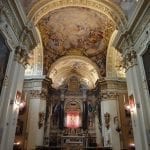
The interior of the cathedral is stunning. The banded two-tone arches with their full round curves follow one another in harmonious lines and they provide a perfect backdrop to the works of rare beauty which decorate the building.
The Fortezza di Santa Barbara was built between 1561 and 1563 by Cosimo de' Medici, the Duke of Florence who also became the Duke of Sienna in 1557.
Val di Merse vuol dire boschi e acque: una natura lussureggiante incastonata fra le Crete Senesi e la Maremma. La tipica macchia di ginestre ed erica si alterna ai lecci, ai cerri e ai castagni, creando luoghi ombrosi e solari allo stesso tempo.
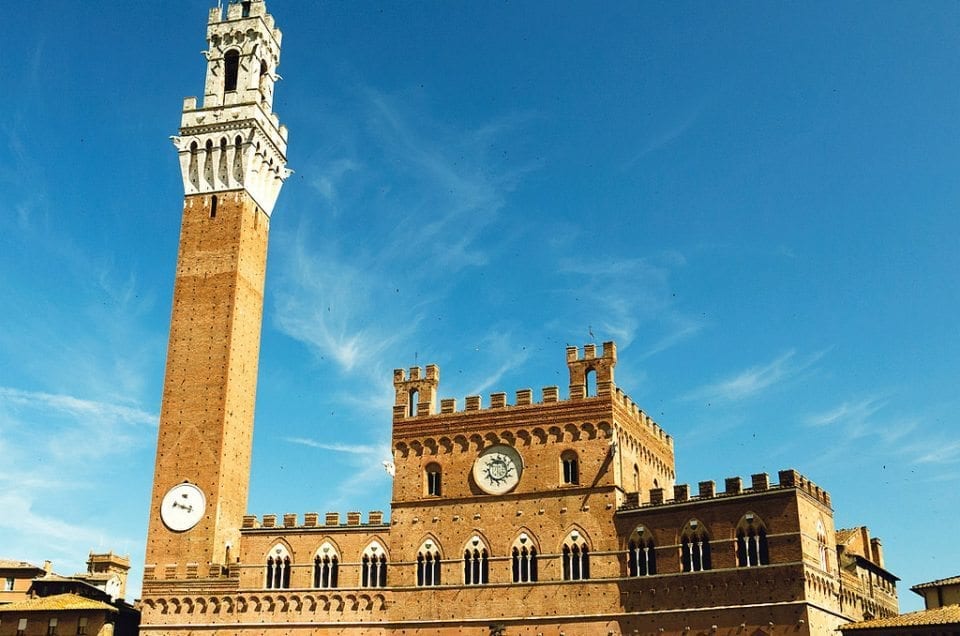
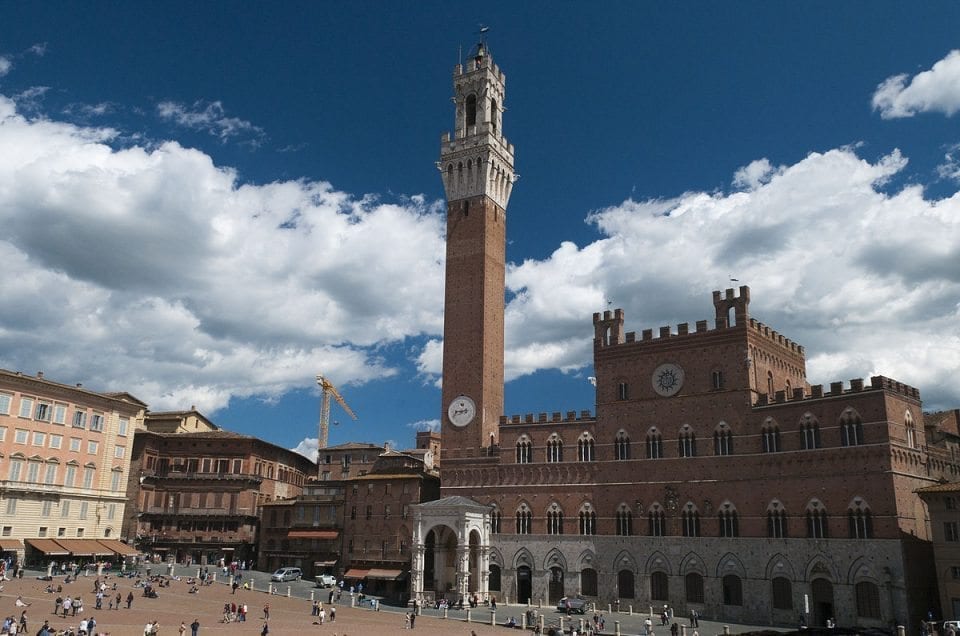
This building is the Town Hall of Sienna and provides a symbol of the city's freedom. Its construction in the Gothic style began in 1288 and continued until 1310.
Additions were made during the 14th century, but the most important occurred in the 17th century when the side wings were raised to meet the central section. Fulfilling a need to blend in with the ambience and to achieve coherence in style, these extensions were built in what could be termed early neo-Gothic.
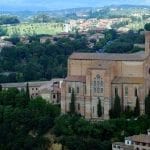
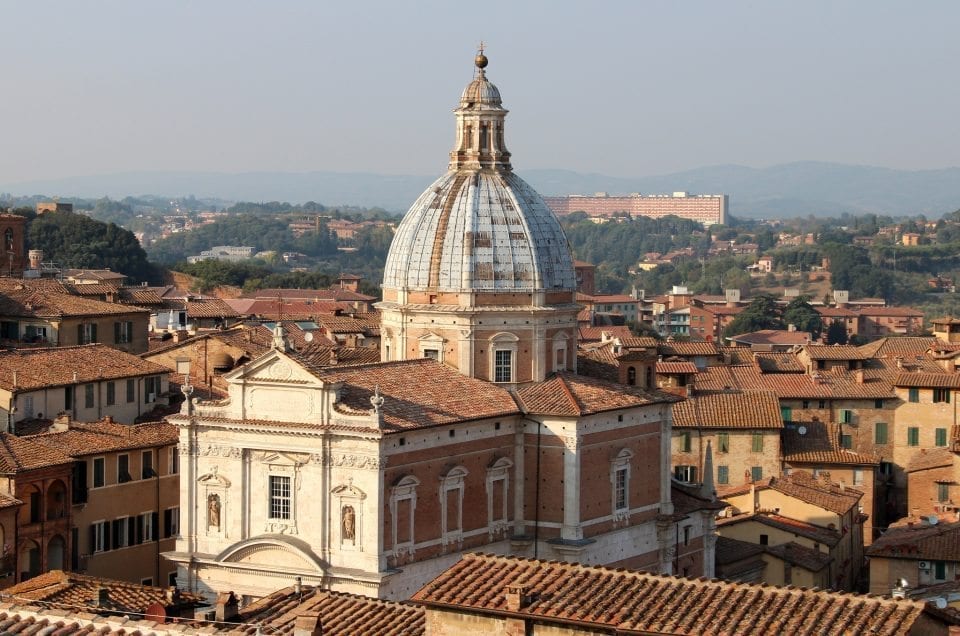
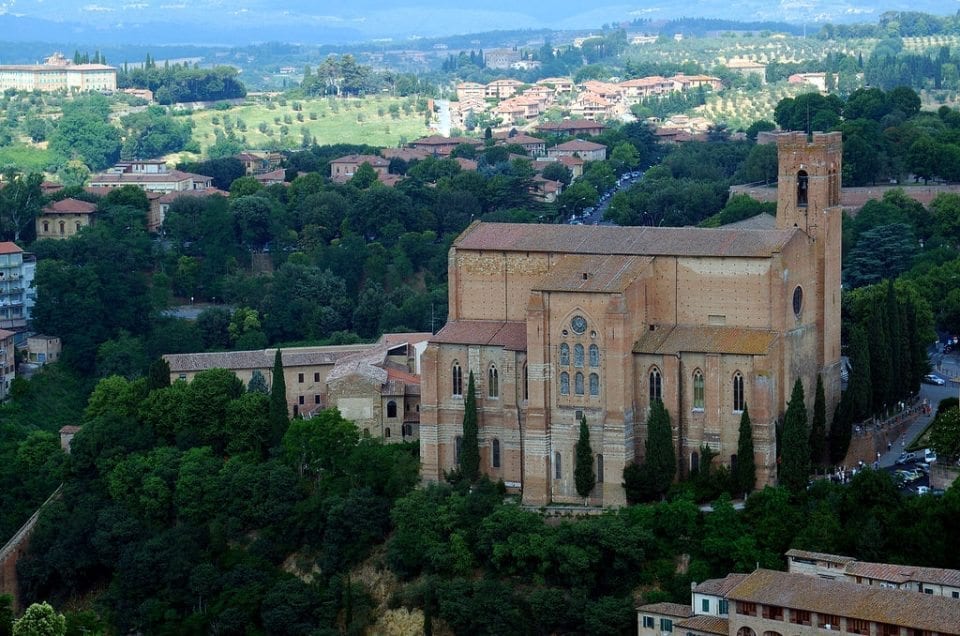
Siena, located on the hilltop dividing the basin of the Arbia from the one of the Elsa, is particular also for the framework in which the city is inserted, immerged in a suggestive countryside with changing colours, where the intense green of the woods and the vineyards moves to the brown ochre of the hills covered by cypresses.
Le Crete e i loro colori particolari: i grigi, i gialli chiari, gli ocra polverosi, che sfumano dalle insenature dei "calanchi" alle colline a cupola conosciute col nome di "biancane". Un paesaggio "lunare", che lascia perplessi e ammirati di fronte agli sconvolgimenti naturali che un milione di anni fa hanno permesso a queste terre di diventare così uniche.
Palazzo Pubblico is dominated by the soaring tower, the Torre del Mangia, around 102 meters high and built between 1338 and 1348.
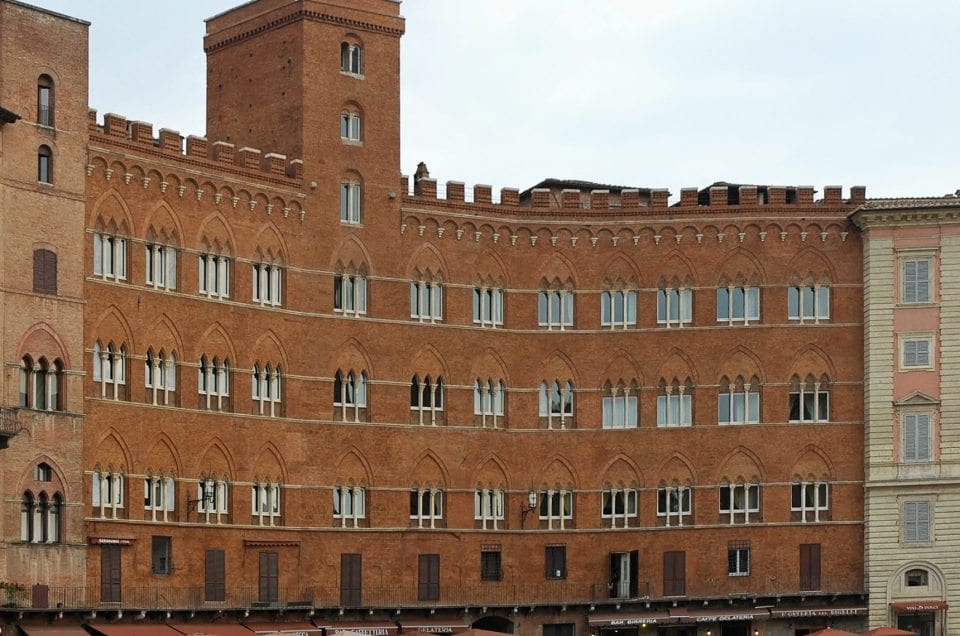
Piazza del Campo is the heart of the city of Sienna. With its glorious shell shape and the wonderful buildings that surround it, it's certainly the most beautiful medieval piazza in Italy and one of the most beautiful in Western Europe.
Sienna is not only famous throughout the world for the horse-race called the Palio and the magnificent works of art it so proudly possesses, but also for its sweets and confectionery: the candied, spicy panforte and pampepato; the almond-flavoured ricciarelli; the honeyed-fruit biscuits called copate and the honeyed-nut cavallucci.
Still celebrated today, these culinary traditions beautifully compliment Sienna's past, which is on show everywhere in the city center.