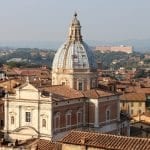
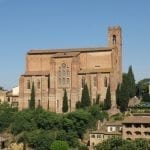
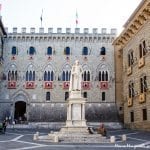
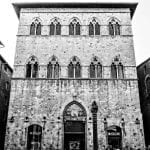
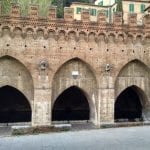
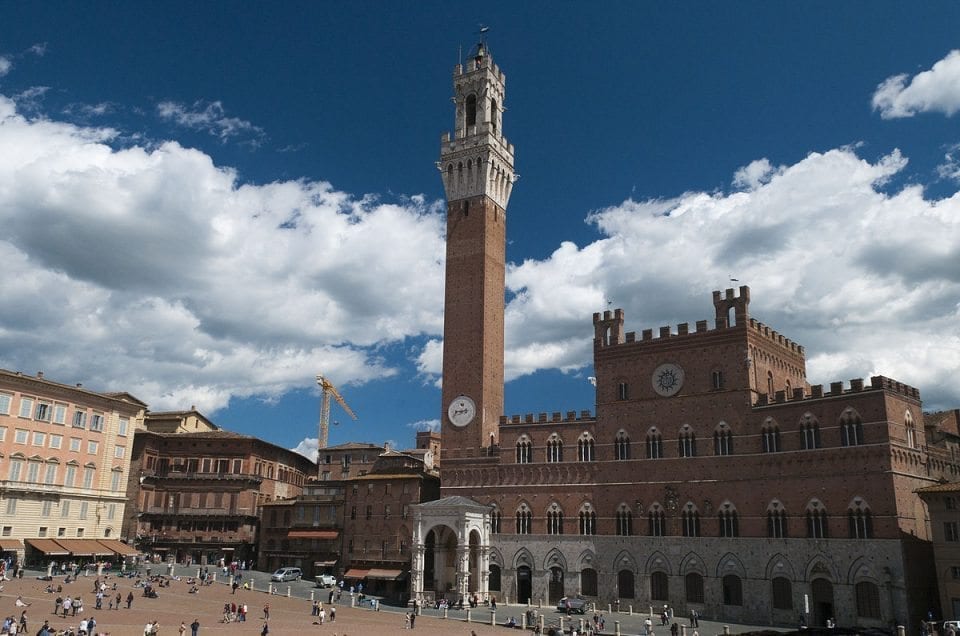
This grandiose building was begun in 1200 and then extended and remodelled during later centuries.
The Hospital was used not only for the sick but also as a large, well-appointed hospice for pilgrims. It is called della Scala because of its location, opposite the steps at the front of the Duomo.
Inside, the most notable room is the pilgrims' great hall which, until the 1970s, was used as an infirmary. The frescoes covering this spacious room are mainly by Sienese artists from the 15th century. The best known of these are Lorenzo di Pietro, il Vecchietta, and more interestingly Domenico di Bartolo whose paintings show how the hospital functioned and the importance it had for the people of Sienna of the time.
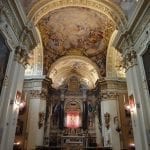
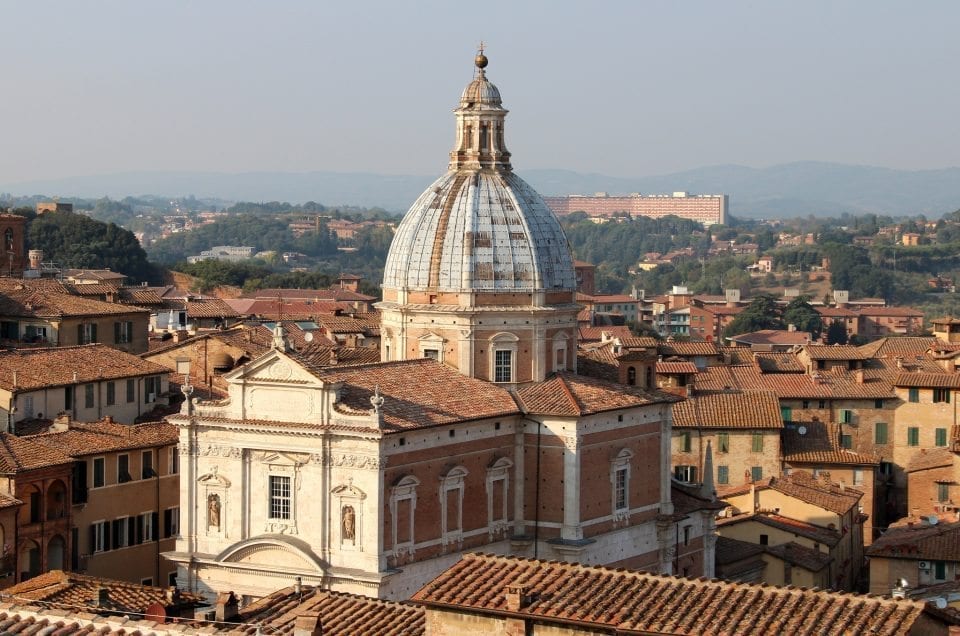
In addition to this extraordinary place, you should also visit the church of S. Maria della Scala whose construction pre-dates the foundation of the hospital itself. It was later incorporated into the hospital structure but was remodelled in 1466. On the high altar, you can see a splendid bronze statue of the Risen Christ made by il Vecchietta in 1476. In the domed portion of the apse, there is a large frescoed scene painted by the baroque painter Sebastiano Conca who worked mainly in Rome and Naples. This shows Christ curing the paralysed man at the pool of Bethsaida.
While still inside the hospital, you can visit the Oratory of Santa Caterina della Notte, where there is a beautiful wooden choir from the 15th century and also the Confraternity of the Madonna sotto le Volte with works from the 15th and 16th centuries.
The National Archeological Museum has recently been set up in this building to house works collected by some of the city's noble families, and it is also the seat of the Sienna Accademia dei Fisiocritici. The museum provides documentation of Sienna's history from the dawn of civilisation to Roman times. The red and black-figured vases are of interest, as well as the ones in bucchero; but the marble head of the philosopher Seneca, tutor to the emperor Nero, is the most important. This is a Roman copy of a Greek original.
In addition there is a numismatic collection with Etruscan and Roman coins from Lazio and Umbria.